A Unique Cultural Heritage
To truly understand Mauritian culture, it is important to look back at the island’s history. Over the centuries, Mauritius welcomed people from many parts of the world. African slaves, Indian indentured laborers, Chinese traders, and European settlers all contributed to shaping the island’s identity.
Each community brought its own traditions, languages, and religious beliefs. Over time, these influences blended together while still preserving their individual heritage. This multicultural background is what makes Mauritian society so vibrant today, where different religions and customs are respected and celebrated across the island.
Discover Mauritius Through Its Sacred Places
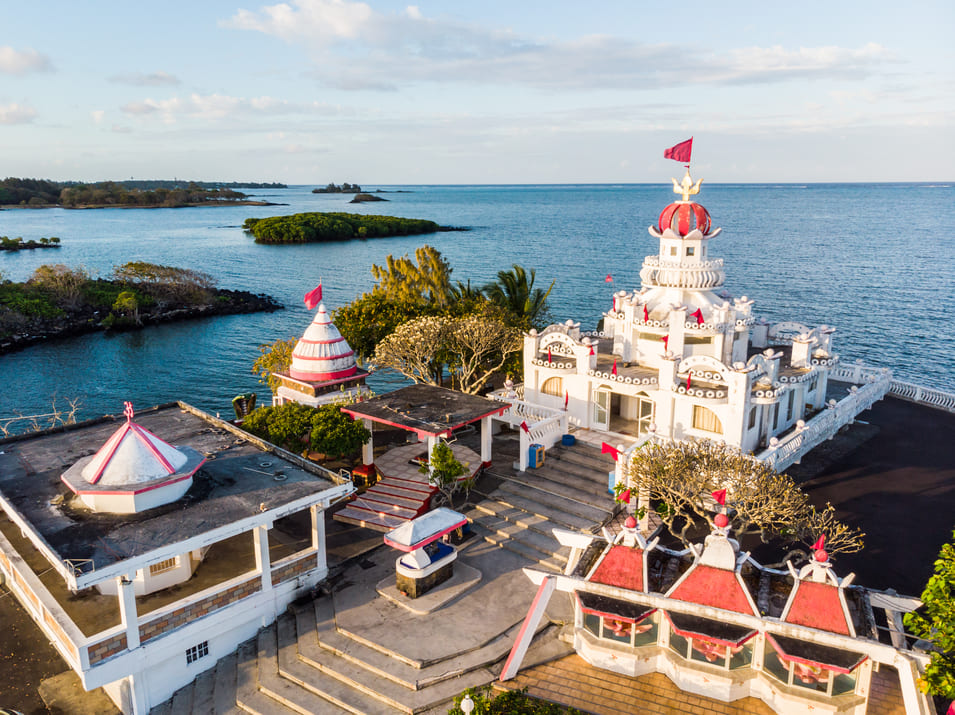
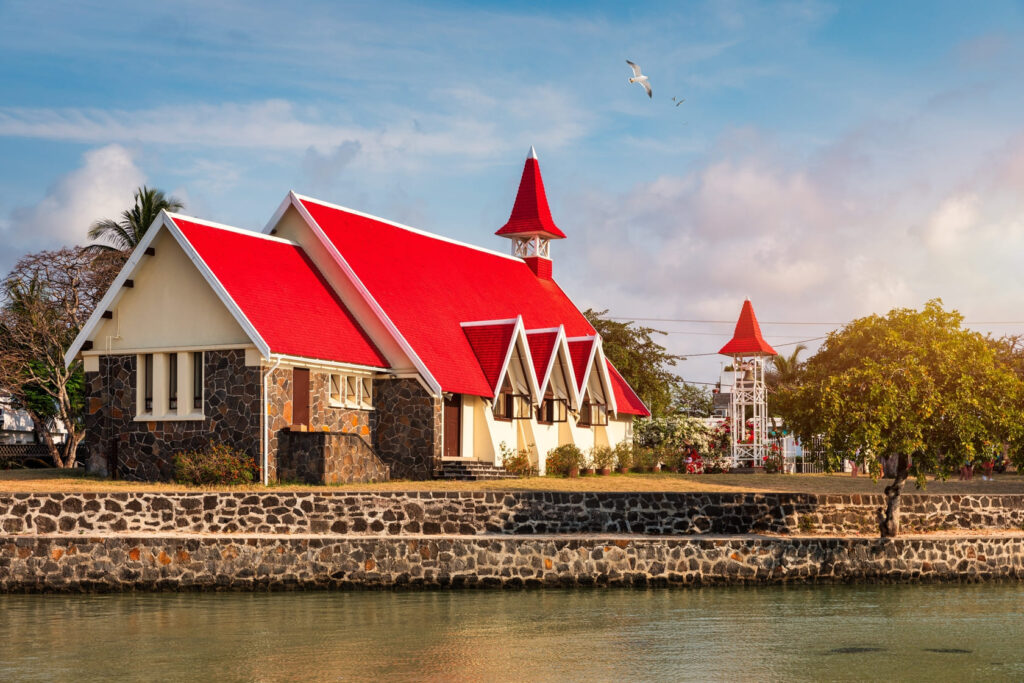
This rich cultural heritage can still be seen across Mauritius through its many places of worship. Temples, churches, mosques, and pagodas stand side by side, reflecting the diversity of beliefs practiced by the Mauritian people.
Among the most important Hindu temples is Maheshwarnath Mandir, one of the oldest and largest temples on the island. Another remarkable religious site is Shri Sockalingum Meenatchee Ammen Kovil, a colorful Tamil temple known for its detailed architecture and spiritual significance.
Catholic heritage also plays an important role in Mauritian culture. The tomb of Jacques-Désiré Laval, located at Sainte-Croix Church, is one of the island’s most important pilgrimage sites. Every year, thousands of believers gather there to honor the missionary who dedicated his life to helping the poor. Another symbolic Catholic site is Marie Reine de la Paix, a peaceful sanctuary overlooking the capital.
Islam is also an essential part of the island’s cultural landscape. The beautiful Jummah Masjid is the most important mosque in Mauritius and stands as a remarkable example of architectural elegance and spiritual devotion in the heart of the city.
Chinese heritage is also present on the island, particularly through places such as the Kwan Tee Pagoda, one of the oldest Chinese temples in the Southern Hemisphere and a symbol of the Chinese community’s long history in Mauritius.
A Living Example of Religious Harmony
What makes Mauritius truly special is the peaceful coexistence between its different religions. Across the island, it is common to see places of worship located very close to one another, symbolizing the respect and unity shared by the Mauritian people.
A beautiful example can be found in Grand Baie, where a mosque stands just across from a church. This simple yet powerful image reflects the everyday harmony between communities and illustrates how people of different faiths live side by side with mutual respect.
Festivals That Bring Mauritius to Life
Beyond these sacred landmarks, Mauritian culture truly comes alive through the many festivals celebrated throughout the year. These events reflect the island’s multicultural identity and are often shared by people from different communities.
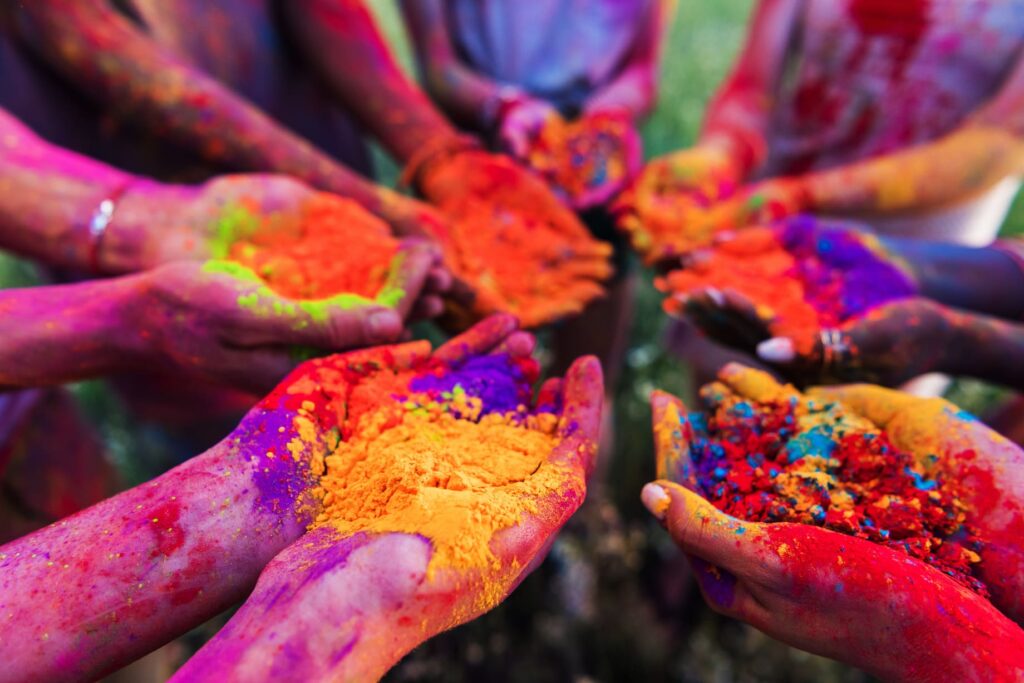
Hindu festivals such as Maha Shivaratri, Divali, Holi, Ganesh Chaturthi, and Cavadee are celebrated with colorful rituals, processions, and prayers.
The Muslim community celebrates Eid al-Fitr after the holy month of Ramadan, a time for family gatherings, generosity, and festive meals.
Christian celebrations such as Christmas and Easter are also widely observed across the island.
Meanwhile, the Chinese community celebrates the vibrant Chinese Spring Festival with lanterns, traditional dances, and festive decorations.
In addition to religious celebrations, Mauritius also hosts cultural events such as the Festival Kreol International, which highlights Creole music, cuisine, and traditions. Another meaningful event is the Père Laval Pilgrimage, when thousands of pilgrims gather each year to honor one of the island’s most beloved religious figures.
A Culture of Unity
While each festival belongs to a particular community, celebrations in Mauritius are often shared by everyone. It is common for people of different religions to take part in each other’s traditions, creating a strong sense of unity and mutual respect.
This spirit of coexistence is what makes Mauritius truly unique. Beyond its natural beauty, the island offers visitors the opportunity to discover a rich cultural mosaic where traditions, beliefs, and celebrations come together in harmony.