
The story of Mauritian cuisine: a journey through cultures and flavours
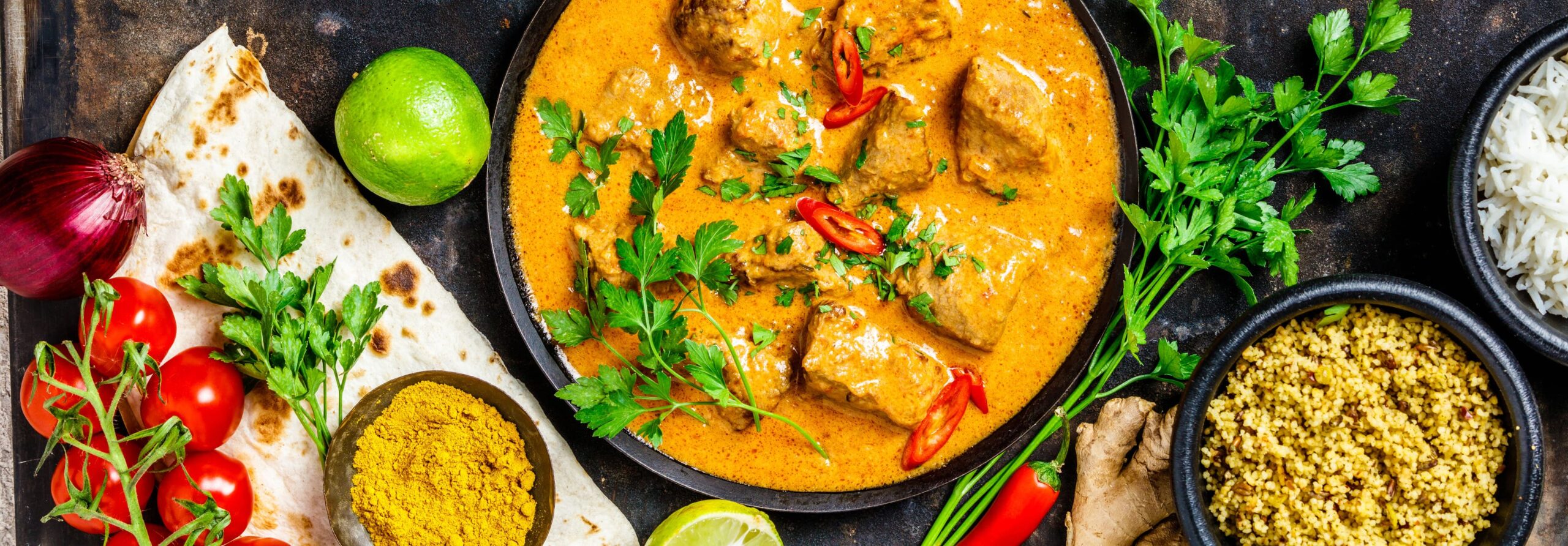
Mauritius is a small island with a remarkably rich culinary identity. Mauritian cuisine is not simply about food. It is a story of cultures, migrations and traditions that have blended over centuries to create something unique. Across the island, food reflects the people who settled here and the journeys they brought with them. Indian, African, Chinese and European influences meet in the same kitchen, creating dishes that are vibrant, comforting and full of character. From bustling street markets to family tables, Mauritian food brings people together, and each recipe carries memories, traditions and a deep sense of belonging.
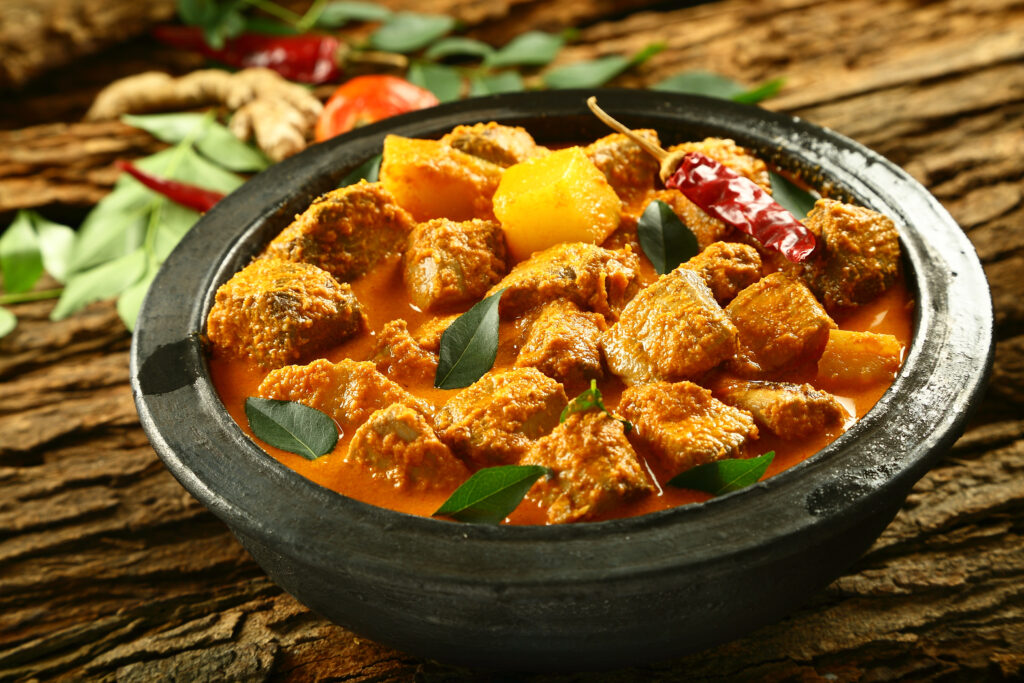
Mauritian cuisine developed through centuries of cultural exchange. Each community that arrived on the island contributed flavours, techniques and ingredients that are now deeply woven into everyday cooking. Indian influences introduced fragrant spices, curries and beloved street foods such as dholl puri and gateaux piments. These dishes bring warmth, aroma, and depth to Mauritian meals and remain some of the most popular foods across the island. African and Malagasy traditions contributed simple yet flavourful cooking methods, often using one-pot preparations and local ingredients, while also bringing the vibrant rhythm of sega music, which often accompanies gatherings where meals are shared among family and friends.
Chinese culture enriched Mauritian cuisine through dishes such as mines frits, comforting broths and delicate dim sum. These dishes add balance and variety, and Chinese culinary traditions remain an essential part of local markets and family celebrations. European influence later introduced culinary techniques such as refined sauces, pastries and desserts, adding a touch of elegance to Mauritian gastronomy. Together, these traditions created a cuisine that celebrates diversity, creativity, and cultural harmony.
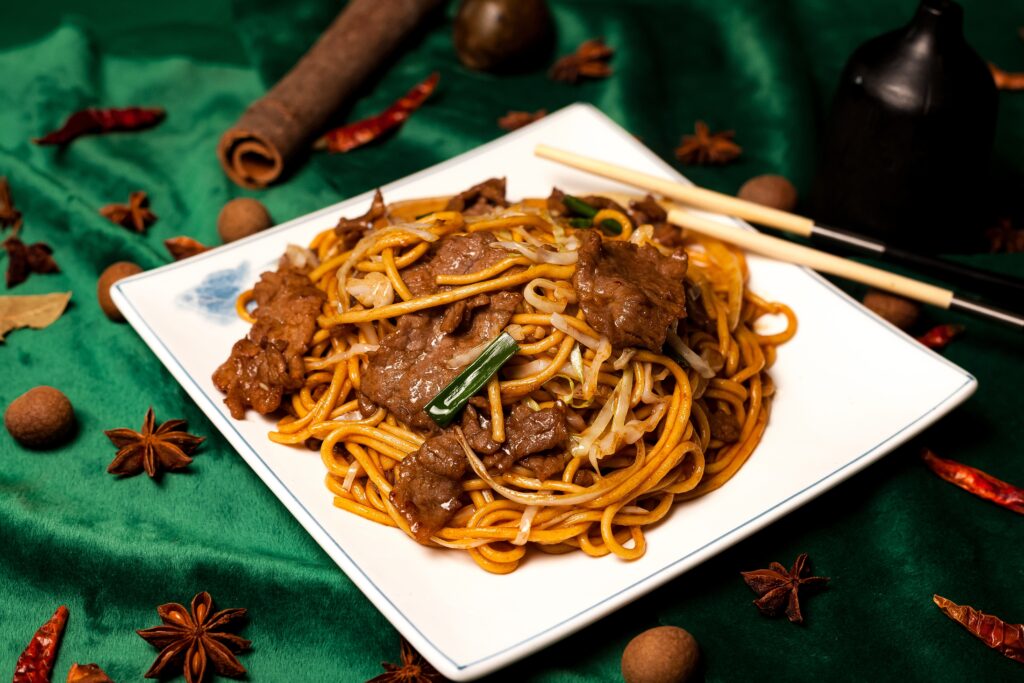
Mauritian cuisine offers a wide range of flavours and textures, from street food enjoyed on the go to dishes prepared for family gatherings. Dholl puri is perhaps the most iconic Mauritian street food. This soft flatbread filled with ground split peas is served with curry, rougail and pickles, creating a combination of flavours that locals love. Gateaux piments, small fried lentil fritters, are another favourite snack often eaten hot with chilli or chutney. Rougail, a tomato-based preparation often cooked with sausage, fish or vegetables, is a staple on many Mauritian tables. Mines frits, the Mauritian version of fried noodles influenced by Chinese cuisine, are widely enjoyed in restaurants, markets and homes alike.
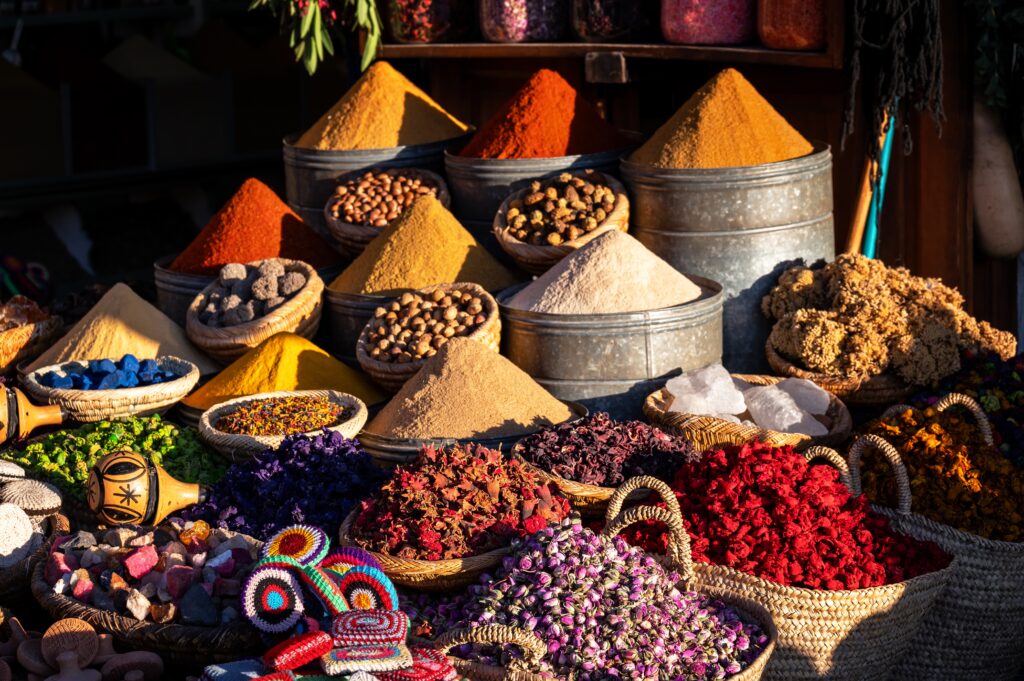
To truly understand Mauritian cuisine, one must visit the lively markets and street food stalls that bring the island’s flavours to life. Markets across Mauritius are filled with the aromas of spices, freshly fried snacks and simmering curries. Vendors prepare food in front of customers, creating a vibrant atmosphere where meals are enjoyed casually and socially. Street food plays an important role in everyday life. A quick dholl puri for lunch, a portion of gateaux piments shared with friends, or a bowl of noodles enjoyed after a day at the beach are all part of the Mauritian experience.
These markets are not only places to eat but also spaces where stories, laughter, and traditions are shared. Mauritian cuisine reflects the island’s multicultural identity and the harmony between its communities. Meals are often shared with family and friends, and food is enjoyed not only to nourish the body but also to celebrate togetherness. In Mauritius, food is often enjoyed with the hands, with curiosity and with the heart, discovering with every bite the history of its cultures and the richness of its diversity. As locals often say, manze ek leker, Maurice dan to leker. Eat with your heart, Mauritius in your heart. And sometimes, all it takes is enn ti manze for the rhythm of the tam tam to begin.